Article Plan: Allied Bombardments of Rouen (PDF Focus)
This article will explore the Allied bombings of Rouen during WWII, utilizing available PDF documents.
It will analyze historical context, strategic importance, and the impact on civilians and infrastructure,
leveraging archives from institutions like the National Archives and Musée des Beaux-Arts Rouen.
The Allied bombardment of Rouen, a historically significant city in Normandy, France, during World War II, represents a complex and often debated chapter of the conflict. This introduction sets the stage for a detailed examination of these events, with a particular focus on the invaluable insights offered by preserved PDF documents. Rouen, strategically positioned on the Seine River, endured substantial aerial attacks throughout the war, escalating dramatically during and after the Operation Overlord landings in June 1944.
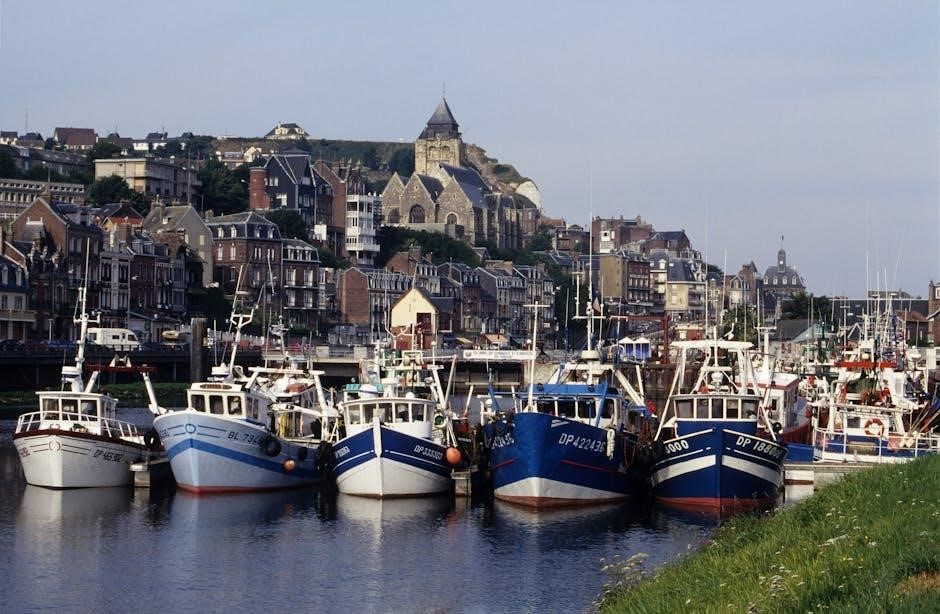
These bombardments weren’t isolated incidents; they were part of a larger Allied strategy aimed at disrupting German defenses, hindering troop movements, and ultimately facilitating the liberation of France. However, the intensity of the bombing campaigns resulted in significant civilian casualties and widespread destruction of the city’s infrastructure. Understanding the rationale behind these actions, the methods employed, and the resulting consequences requires a thorough investigation of primary source materials.
This article will leverage digitized records – specifically PDF formats – from national archives and museum collections to reconstruct a comprehensive narrative of the Rouen bombings. These documents, including bombing reports, photographic evidence, and post-war assessments, provide crucial details often absent from broader historical accounts. Analyzing these PDFs allows for a nuanced understanding of the events, moving beyond generalizations to reveal the specific realities experienced by the city and its inhabitants.
II. Historical Context: Rouen Before the Bombardments
Prior to the Allied bombardments, Rouen possessed a rich and layered history, serving as a vital economic and cultural center in Normandy for centuries. Its strategic location on the Seine River facilitated trade and transportation, making it a significant port city and industrial hub. The city boasted a stunning architectural heritage, including the magnificent Rouen Cathedral, famously depicted in Claude Monet’s Impressionist paintings, and numerous half-timbered houses that defined its medieval character.
By the early 1940s, Rouen was a bustling city with a population exceeding 100,000 inhabitants. It was a key administrative center for the German occupying forces following the fall of France in 1940, making it a target for Allied strategic planning. The presence of German military installations and transportation infrastructure within the city further solidified its importance to the enemy war effort. PDF documents from this period, such as pre-war city maps and administrative records, reveal the urban layout and the concentration of key facilities.
Understanding Rouen’s pre-war character is crucial for appreciating the scale of destruction caused by the bombings. These historical records, now often available in digital PDF format, provide a baseline against which to measure the impact of the Allied air raids, highlighting the loss of cultural heritage and the disruption of daily life for the city’s residents. They offer a poignant reminder of what was at stake during this tumultuous period.
III. Strategic Importance of Rouen
Rouen’s strategic importance during World War II stemmed from its pivotal role as a transportation and industrial hub within German-occupied France. Situated on the Seine River, it served as a critical inland port, facilitating the movement of troops, supplies, and materials to the front lines. The city’s railway network further enhanced its logistical value, connecting it to other key cities in France and Germany.
German forces heavily utilized Rouen as a vital component of their defensive network. The presence of significant military installations, including barracks, communication centers, and supply depots, made it a legitimate military target for the Allied forces. Disrupting these logistical networks was considered essential to hindering the German war effort and paving the way for the eventual invasion of Normandy.
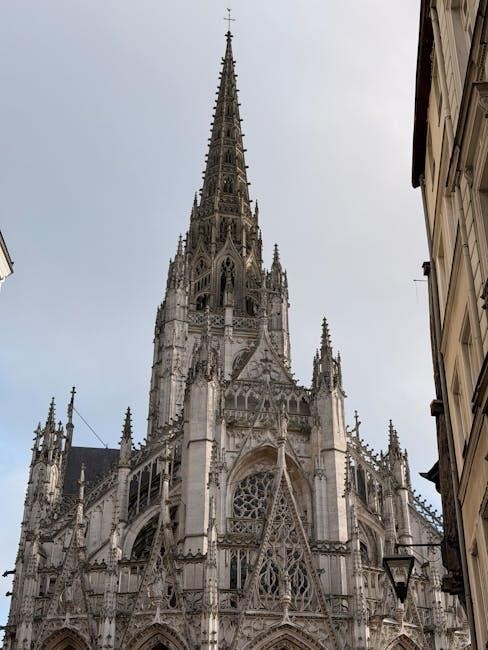
PDF documents, including Allied intelligence reports and strategic planning memos, detail the meticulous assessment of Rouen’s military significance. These reports highlight the city’s role in supporting German operations and the potential impact of targeted bombing raids. Analyzing these digitized records reveals the rationale behind the Allied decision to prioritize Rouen as a key objective, demonstrating its crucial position within the broader context of the war. The destruction of Rouen’s infrastructure aimed to cripple German capabilities and support the success of Operation Overlord.
IV. Allied Objectives in Targeting Rouen
The primary Allied objectives in targeting Rouen were multifaceted, extending beyond simply inflicting damage; Initially, the bombings aimed to disrupt German logistical capabilities and weaken their defensive infrastructure in preparation for the Normandy landings – Operation Overlord. Destroying railway junctions, bridges (particularly those crossing the Seine), and port facilities were paramount to isolating the German forces and hindering their ability to reinforce the Normandy front.
Further objectives included degrading Rouen’s industrial capacity, which contributed to the German war machine. Factories producing materials for the military were specifically targeted, aiming to reduce the enemy’s overall production output. Allied planners also sought to divert German resources, forcing them to dedicate manpower and materials to repairing damaged infrastructure instead of focusing on the impending invasion.
PDF archives, containing mission directives and post-raid assessments, reveal a deliberate strategy focused on strategic targets. These documents demonstrate a calculated approach, prioritizing military and industrial installations over purely civilian areas, although collateral damage was unavoidable. Analysis of these digitized records clarifies the Allied intent: to systematically dismantle Rouen’s capacity to support the German war effort, thereby contributing to the overall success of the liberation of France.
V. The Initial Bombardments (1942-1943)
The initial Allied bombardments of Rouen, commencing in 1942 and continuing through 1943, were characterized by smaller-scale, precision raids. These early attacks, often conducted by British Bomber Command, primarily targeted key industrial facilities and transportation hubs. PDF documents from this period, including reconnaissance photographs and bombing reports, reveal a focus on disrupting German war production and logistical networks.
Targets included the Renault factory, vital for vehicle production, and the river port, crucial for supplying German forces. These raids weren’t intended for total destruction, but rather to inflict significant damage and impede operations. The accuracy of these early bombings was limited by the technology of the time, resulting in some collateral damage to surrounding civilian areas. However, analysis of archived reports suggests a deliberate attempt to minimize civilian casualties.
PDF collections from the National Archives showcase detailed mission planning, target assessments, and damage evaluations. These records demonstrate a gradual escalation in bombing intensity as the war progressed. The initial bombardments laid the groundwork for the more extensive campaigns that would follow, weakening Rouen’s infrastructure and preparing it for the larger offensives linked to Operation Overlord.
VI. Operation Overlord and Rouen’s Role
Rouen held a strategically significant position during Operation Overlord, despite not being a direct landing site. Its vital role as a communications hub and transportation node, particularly its river port on the Seine, made it a crucial target for Allied forces. Disrupting German reinforcements and supply lines flowing through Rouen was paramount to the success of the Normandy landings.
Prior to the D-Day landings, intensive bombing campaigns aimed to isolate Rouen and prevent the movement of German troops and equipment. PDF documents detailing pre-invasion bombing strategies reveal a concerted effort to destroy railway lines, bridges, and key road junctions leading to and from the city. These attacks were designed to cripple the German response to the Allied invasion.
Following the landings, Rouen became a focal point for Allied advances. Bombing continued to support ground operations, targeting remaining German defenses and infrastructure. Archival PDF reports from this period illustrate the evolving bombing tactics, shifting from strategic disruption to tactical support for advancing troops. The port’s eventual capture was vital for supplying Allied forces, and PDF records document the challenges of clearing debris and restoring functionality.
VII. Intensive Bombardment Campaigns (June-August 1944)
The period from June to August 1944 witnessed a dramatic escalation in Allied bombing of Rouen, coinciding with the broader Normandy campaign. These campaigns weren’t solely about destruction; they were intricately linked to supporting ground forces and severing German supply routes. PDF bombing reports from this era detail a shift towards more precise targeting, though collateral damage remained substantial.
Analysis of digitized archival materials reveals a pattern of repeated attacks on Rouen’s railway infrastructure, aiming to prevent the reinforcement of German troops battling in Normandy. The city’s bridges, crucial for river transport, were consistently targeted, hindering German movements along the Seine. PDF documents showcase the meticulous planning involved, including reconnaissance photos and damage assessments.
Furthermore, bombing raids focused on industrial areas within Rouen, seeking to dismantle German war production capabilities. These attacks, documented in detailed PDF reports, aimed to weaken the enemy’s logistical support. Post-raid analyses, preserved in PDF format, highlight the challenges of assessing true damage and the ongoing need for further strikes. The intensity of these campaigns dramatically reshaped the urban landscape of Rouen.
VIII. Types of Allied Aircraft Used
The Allied bombing campaigns over Rouen employed a diverse range of aircraft, each suited for specific roles within the overall strategy. Heavy bombers, such as the Boeing B-17 Flying Fortress and the Consolidated B-24 Liberator, were frequently utilized for high-altitude, large-scale bombing raids. PDF documents detailing mission logs confirm their prevalence in the initial phases of the campaign.
Medium bombers, including the North American B-25 Mitchell, played a crucial role in precision strikes against key infrastructure like bridges and railway junctions. These aircraft, often operating at lower altitudes, are frequently mentioned in PDF bombing reports focusing on targeted destruction. Photographic evidence within PDF collections showcases the distinctive silhouettes of these planes over Rouen;
Fighter-bombers, like the British Hawker Typhoon and the American P-47 Thunderbolt, provided close air support and engaged in tactical bombing runs. PDF analyses of aerial reconnaissance photos reveal their effectiveness in disrupting German movements. The variety of aircraft used, documented extensively in PDF archives, reflects the evolving nature of the Allied bombing strategy and the need for adaptable firepower.
IX. Bombing Techniques and Accuracy
Allied bombing techniques evolved significantly throughout the campaign targeting Rouen. Initially, area bombing – aiming to saturate a broad zone – was common, relying on high-altitude bombing with limited precision. PDF bombing reports from 1943 demonstrate a wider dispersal of ordnance, indicating a less focused approach.
As the war progressed, and with advancements in technology, precision bombing became increasingly prevalent. The introduction of technologies like the Norden bombsight, detailed in technical manuals found within PDF archives, aimed to improve accuracy. However, factors like weather conditions, enemy defenses, and pilot skill significantly impacted results.
PDF analyses of post-bombardment damage assessments reveal a mixed record of accuracy. While key targets like railway infrastructure were often successfully hit, collateral damage to civilian areas remained substantial. Photographic evidence within PDF collections illustrates both direct hits and widespread destruction. The debate surrounding the effectiveness and ethical implications of these techniques is often present within the digitized historical documents.
X. Civilian Impact and Casualties
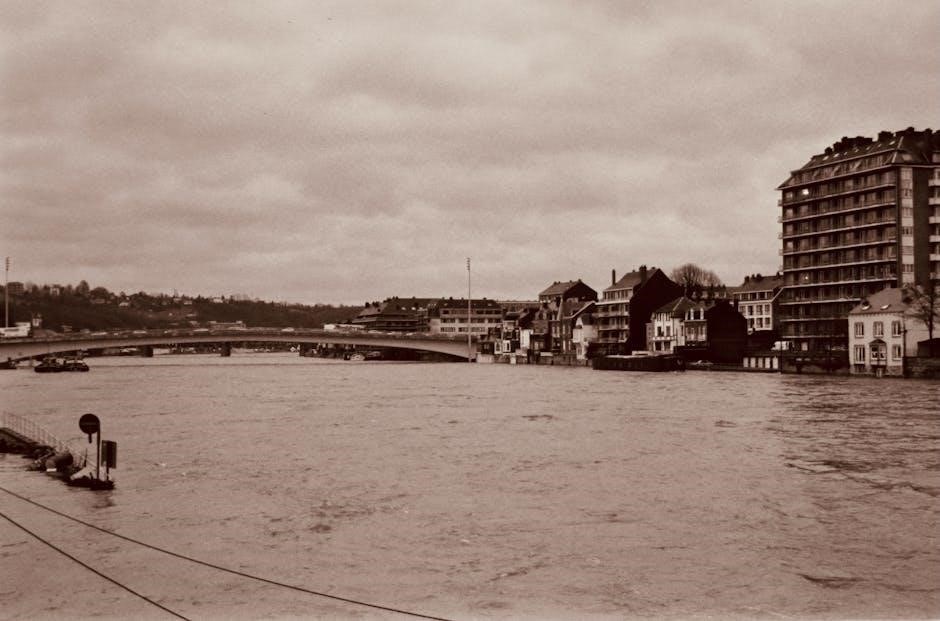
The Allied bombardments of Rouen inflicted a devastating toll on the civilian population. PDF documents, including post-war reports and personal testimonies archived by the Musée des Beaux-Arts Rouen, detail widespread loss of life and displacement. Determining precise casualty figures remains challenging, as records were often incomplete or destroyed during the conflict.
Initial bombing raids in 1942-1943, while less intense than those of 1944, still resulted in civilian deaths and injuries. The intensification of bombing during and after Operation Overlord dramatically increased the suffering. PDF collections contain harrowing accounts of families separated, homes destroyed, and essential services disrupted.
Analysis of municipal records, digitized and available in PDF format through the National Archives, reveals a significant strain on Rouen’s infrastructure to cope with the injured and homeless. The psychological impact on survivors is also documented, with reports of trauma and long-term emotional distress. The ethical considerations surrounding civilian casualties are a recurring theme within these historical PDF resources.
XI. Destruction of Infrastructure
The Allied bombing campaigns systematically targeted Rouen’s critical infrastructure, aiming to disrupt German logistics and weaken their defensive capabilities. PDF documents from the National Archives reveal detailed assessments of damage inflicted upon the city’s transportation networks – railways, bridges, and roadways – essential for supplying German forces;
Industrial facilities, including factories producing materials for the war effort, suffered extensive destruction. Photographic evidence preserved in PDF collections showcases the scale of devastation, with buildings reduced to rubble. The port of Rouen, a vital link for supplies, was repeatedly targeted, hindering its operational capacity.
Beyond industrial and transport targets, essential civilian infrastructure was also heavily damaged. PDF reports document the destruction of hospitals, schools, and residential areas. Water and electricity supplies were severely disrupted, creating unsanitary conditions and exacerbating the suffering of the population. Reconstruction efforts, detailed in post-war municipal PDFs, faced immense challenges due to the widespread infrastructural damage.
XII. Post-Bombardment Rouen: Immediate Aftermath
The period immediately following the intensive Allied bombardments of Rouen was marked by chaos and immense suffering. PDF documents, including wartime reports and post-liberation assessments, paint a grim picture of a city in ruins. Emergency services were overwhelmed, struggling to cope with the scale of the devastation and the sheer number of casualties.
Access to basic necessities – food, water, and shelter – was severely limited. PDF records from aid organizations detail the desperate conditions faced by the surviving population. Debris-strewn streets hampered rescue efforts and created significant health hazards. The immediate priority was clearing rubble and establishing temporary shelters for the homeless.
The liberation of Rouen by Allied forces brought relief, but also presented new challenges. PDF archives reveal the logistical difficulties of providing aid and restoring essential services. The presence of unexploded ordnance posed a constant threat, requiring extensive clearance operations. Initial assessments, documented in PDF format, highlighted the monumental task of rebuilding the city and restoring a semblance of normalcy.
XIII. Reconstruction Efforts
The reconstruction of Rouen following the Allied bombardments was a massive undertaking, meticulously documented in numerous PDF archives. Initial efforts, detailed in post-war reports, focused on clearing debris and establishing temporary housing solutions for the displaced population. PDF documents from the municipal archives reveal a phased approach to rebuilding, prioritizing essential infrastructure like water, electricity, and transportation.
Financial aid from both national and international sources played a crucial role. PDF records illustrate the allocation of funds and the challenges of managing resources amidst widespread destruction. Architectural plans, preserved in PDF format, showcase the blend of traditional Norman styles with modern designs in the rebuilt structures.
The reconstruction wasn’t merely about restoring buildings; it was about rebuilding a community. PDF testimonies and oral histories reveal the resilience and determination of the Rouennais people. The rebuilding of the Musée des Beaux-Arts, documented extensively in PDF reports, symbolized the city’s commitment to cultural revival. The process, though lengthy, ultimately transformed Rouen into a modern city while preserving its historical character.
XIV. The Role of PDF Documents in Historical Research
PDF documents are invaluable resources for researching the Allied bombardments of Rouen, offering direct access to primary source materials. Digitized bombing reports, operational logs, and post-strike assessments, often available in PDF format from national archives, provide detailed accounts of the attacks. These documents reveal strategic objectives, target selection processes, and assessments of damage inflicted.
The accessibility of PDFs allows researchers to analyze information remotely, circumventing geographical limitations and preservation concerns associated with fragile original documents. PDF collections from museums, like the Musée des Beaux-Arts Rouen, contain photographic evidence, personal testimonies, and administrative records, offering a multifaceted perspective on the bombings’ impact.
Furthermore, PDFs facilitate text searching and data analysis, enabling researchers to identify patterns and draw conclusions that might be obscured in traditional archival research. The ability to cross-reference information across multiple PDF sources enhances the accuracy and depth of historical analysis, contributing to a more nuanced understanding of this pivotal period in Rouen’s history.
XV. Available PDF Archives: National Archives
The National Archives represent a crucial repository for PDF documents pertaining to the Allied bombardments of Rouen. Digitized collections include Air Ministry files detailing operational orders, target assessments, and post-raid damage reports. These PDFs often contain detailed maps indicating bomb drop locations and analyses of strategic effectiveness.
Researchers can access PDF scans of wartime intelligence reports, providing insights into the rationale behind targeting Rouen and the anticipated outcomes of the bombing campaigns. Furthermore, the National Archives holds PDF copies of official correspondence between Allied commanders, revealing discussions about bombing strategies and civilian impact considerations.
Accessing these resources requires navigating the National Archives’ online catalog and utilizing specific search terms related to “Rouen,” “bombing,” and “World War II.” While some documents may be restricted due to sensitivity, a substantial amount of material is publicly available in PDF format, offering invaluable primary source evidence for historical research. Careful examination of these PDFs reveals the complexities and consequences of the Allied air offensive.
XVI. PDF Resources: Musée des Beaux-Arts Rouen
The Musée des Beaux-Arts Rouen, while primarily an art museum, possesses a surprisingly valuable collection of PDF-accessible materials documenting the impact of the Allied bombardments on the city. These resources largely consist of digitized archival photographs, personal testimonies, and post-war reconstruction plans, all available in PDF format.
The museum’s digital archive includes PDFs of photographs depicting the extensive damage inflicted upon Rouen’s historic buildings and infrastructure. These visual records offer a poignant illustration of the bombing’s destructive power. Additionally, scanned PDFs of letters and diaries from Rouen residents provide firsthand accounts of their experiences during and after the raids.
Researchers can also find PDFs detailing the museum’s own wartime experiences, including efforts to protect its art collection from damage or theft. Access to these resources is typically facilitated through the museum’s website, requiring registration for online access. The Musée des Beaux-Arts Rouen’s PDF collection provides a unique, localized perspective on the broader narrative of the Allied bombing campaign.
XVII. Analyzing Bombing Reports in PDF Format
Analyzing bombing reports available in PDF format requires a systematic approach to extract meaningful historical data. These reports, often originating from the National Archives and similar institutions, detail target assessments, bomb tonnage, flight paths, and post-raid damage evaluations. PDF readers with optical character recognition (OCR) capabilities are crucial for converting scanned documents into searchable text.
Researchers should focus on identifying patterns in targeting strategies, noting the specific industries or infrastructure prioritized by the Allied forces. Cross-referencing multiple reports can reveal discrepancies or inconsistencies, prompting further investigation. Pay close attention to sections detailing ‘collateral damage’ and civilian impact, though these are often presented with inherent biases.
Metadata within the PDF files – creation dates, authoring agencies – provides valuable contextual information. Utilizing PDF annotation tools allows for highlighting key passages and adding notes directly to the document. Careful analysis of these reports, combined with other primary sources, is essential for a nuanced understanding of the Allied bombing campaign over Rouen.
XVIII. Photographic Evidence in PDF Collections
PDF collections from sources like the Musée des Beaux-Arts Rouen and national archives frequently contain invaluable photographic evidence of the Rouen bombardments. These images, often aerial reconnaissance photos or ground-level documentation of destruction, provide a visual record of the conflict’s impact. Analyzing these photographs requires careful consideration of their origin and purpose; reconnaissance photos were primarily for military intelligence, while others may have been propaganda or documentation of aid efforts.
Researchers should examine image metadata – dates, locations, photographer – to verify authenticity and context. High-resolution scans are essential for detailed analysis, allowing identification of specific buildings, infrastructure, and patterns of damage. Comparing pre-bombing and post-bombing photographs reveals the extent of destruction and helps reconstruct the urban landscape.
PDF viewers with image enhancement tools can improve clarity and reveal details obscured by damage or poor image quality. Cross-referencing photographic evidence with bombing reports and eyewitness accounts strengthens the historical narrative. These visual sources, when critically assessed, offer a powerful complement to textual documentation.
XIX. Challenges in Accessing and Interpreting PDF Data
Accessing PDF documents related to the Rouen bombardments presents several challenges. Many archives are not fully digitized, requiring physical visits or costly scanning requests. Digitized collections may have incomplete metadata, making precise searches difficult. Language barriers can also hinder research, as many primary sources are in French. Furthermore, PDF formats vary, some being image-based scans lacking searchable text, necessitating Optical Character Recognition (OCR) software – which isn’t always accurate.
Interpreting the data within these PDFs also poses difficulties. Bombing reports may contain coded language or military jargon. Damage assessments can be subjective and influenced by wartime propaganda. Photographic evidence requires careful contextualization, considering the photographer’s perspective and purpose. PDF security restrictions can limit copying or annotation, hindering analysis.
Preservation concerns are also relevant; older PDFs may be corrupted or inaccessible due to outdated software. Researchers must critically evaluate the source and methodology of each document, acknowledging potential biases and limitations. Collaboration between historians and digital archivists is crucial to overcome these hurdles.
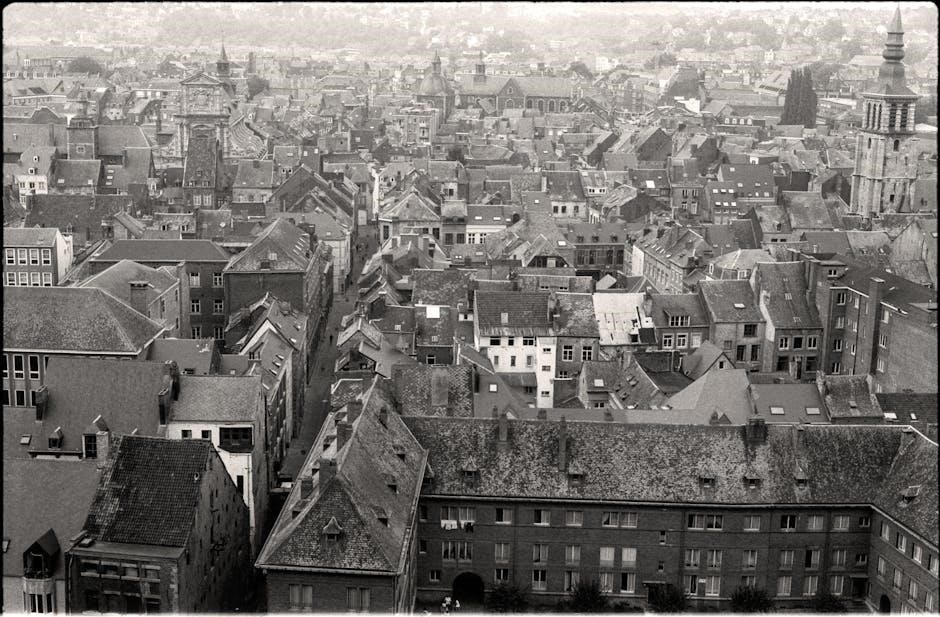
XX. The Debate Surrounding the Bombing’s Justification
The Allied bombardment of Rouen remains a contentious topic, sparking debate over its military necessity and ethical implications. Proponents argue the attacks were vital to disrupt German logistics, weaken defenses ahead of Operation Overlord, and ultimately hasten the liberation of France. Targeting transportation hubs like Rouen aimed to impede enemy reinforcements and supply lines.
However, critics highlight the significant civilian casualties and widespread destruction of a historically and culturally important city. They question whether the military gains justified the immense human cost, particularly given Rouen’s limited strategic value compared to other targets. Some historians suggest the bombing served, in part, to demonstrate Allied air power and intimidate the German forces.
PDF documents – including bombing reports, eyewitness accounts, and post-war assessments – offer crucial evidence for this debate. Analyzing these sources reveals differing perspectives and allows for a nuanced understanding of the decision-making process. The debate continues, fueled by ongoing research and the availability of previously classified materials within digital archives.