Understanding “La Paradoja Vegetal” (The Vegetable Paradox)
Numerous online searches reveal a strong desire for a free “La Paradoja Vegetal” PDF,
but caution is advised regarding unofficial sources and potential copyright infringements.
What is “La Paradoja Vegetal”?
“La Paradoja Vegetal” (The Vegetable Paradox) proposes a counterintuitive idea: that many commonly consumed plant foods, despite being considered healthy, contain defensive lectins that can negatively impact human health. The core concept revolves around the premise that these lectins interfere with nutrient absorption and contribute to inflammation. The book challenges conventional wisdom surrounding plant-based diets, suggesting that not all plants are created equal in terms of their effects on the body.
Online discussions frequently center around finding a free PDF version of the book, indicating significant public interest. However, accessing such a PDF carries risks, including potential malware and legal ramifications related to copyright infringement. The book’s central argument sparks debate about the optimal approach to plant-based nutrition.
The Author and Core Arguments
Dr. Steven Gundry, a medical doctor and former heart surgeon, authored “La Paradoja Vegetal.” He posits that lectins, proteins found in many plants, are a primary driver of inflammation and autoimmune responses in susceptible individuals; Gundry argues that modern hybridized plants contain significantly higher lectin levels than their ancestral counterparts, exacerbating these effects.
His core argument isn’t against all plant consumption, but rather advocates for a selective approach, prioritizing low-lectin vegetables and fruits. The book details a specific diet designed to minimize lectin intake. The frequent online searches for a “La Paradoja Vegetal” PDF suggest a wide audience eager to explore Gundry’s controversial claims and dietary recommendations, despite copyright concerns.

The Nutritional Science Behind the Paradox
The central premise revolves around lectins and their impact on human physiology, sparking debate within the nutritional science community regarding their effects.
Lectins: The Key Component
Lectins are carbohydrate-binding proteins found in many plants, and are posited as the core of the “Vegetable Paradox” theory. They’re naturally produced by plants as a defense mechanism against insects, and the book argues humans haven’t evolved to efficiently digest them. Different plants contain varying lectin concentrations; some are considered relatively harmless, while others are believed to cause significant digestive distress and systemic inflammation.
The author contends that these proteins can interfere with nutrient absorption, disrupt gut lining integrity, and contribute to autoimmune responses. Understanding the specific types of lectins and their varying effects is crucial to grasping the central argument. The search for a free “La Paradoja Vegetal” PDF often stems from a desire to delve deeper into this complex biochemical explanation.

How Lectins Affect the Human Body
According to the core tenets of “La Paradoja Vegetal,” lectins interfere with the body’s normal processes by binding to the lining of the digestive tract. This binding can disrupt nutrient absorption, leading to deficiencies, and potentially trigger an immune response as the body identifies them as foreign invaders. The book suggests this chronic inflammation can contribute to a range of health issues, from bloating and digestive discomfort to more serious autoimmune conditions.
Furthermore, lectins are believed to impact gut permeability, potentially leading to “leaky gut” syndrome. Many seeking a free “La Paradoja Vegetal” PDF are interested in understanding these proposed mechanisms and their potential health consequences in detail.
The Role of Gut Health
“La Paradoja Vegetal” places significant emphasis on the central role of gut health in overall well-being. The author argues that a compromised gut microbiome, often due to lectin exposure, can disrupt the delicate balance of bacteria essential for digestion, immunity, and even mental health. A healthy gut lining is crucial for proper nutrient absorption and preventing harmful substances from entering the bloodstream.
The book posits that lectins contribute to gut inflammation and permeability, weakening this barrier. Individuals searching for a free “La Paradoja Vegetal” PDF are often motivated by a desire to restore their gut health and alleviate related symptoms, believing in the book’s proposed connection between diet and digestive wellness.

Dietary Approaches & Recommendations
The core of “La Paradoja Vegetal” lies in a specific dietary approach, often sought after through free PDF versions, focusing on lectin avoidance for improved health.
The Plant Paradox Diet: An Overview
The Plant Paradox Diet, detailed in “La Paradoja Vegetal,” centers around minimizing lectin intake, proteins found in many plants considered potentially harmful. Despite plants being generally viewed as healthy, Dr. Gundry argues that lectins can trigger autoimmune responses and digestive issues in susceptible individuals. The diet isn’t about eliminating all plant foods, but rather strategically choosing low-lectin options.
Many individuals actively search for a “La Paradoja Vegetal” PDF to quickly access the diet’s guidelines. The initial phase involves strict lectin restriction, followed by a carefully managed reintroduction process to identify personal sensitivities. Long-term, the diet promotes a lifestyle focused on nutrient-dense, lectin-light foods, aiming to reduce inflammation and improve overall well-being. It’s a complex approach requiring diligent food selection and preparation.
Foods to Avoid (High Lectin Content)
According to “La Paradoja Vegetal,” a significant portion of the diet focuses on avoiding foods rich in lectins. Nightshades – tomatoes, peppers, eggplant, and potatoes – are primary culprits. Legumes like beans, lentils, and peanuts are also high in lectins and generally restricted, especially during the initial elimination phase. Whole grains, including wheat, rice, and corn, are discouraged due to their lectin content.

Many seeking a “La Paradoja Vegetal” PDF are keen to understand precisely which foods to eliminate. Other high-lectin foods include most seeds, squashes (except spaghetti squash), and certain fruits like apples and blueberries. The diet emphasizes that even seemingly healthy foods can contribute to inflammation if lectin levels are substantial. Careful label reading and mindful food choices are crucial for success.
Foods to Embrace (Low Lectin Content)
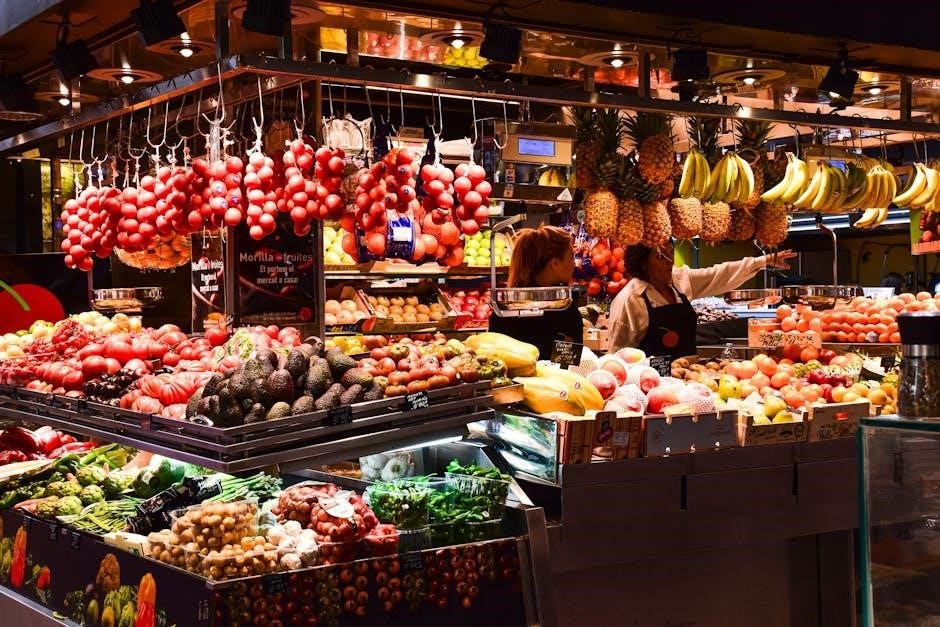
Those searching for a “La Paradoja Vegetal” PDF will discover a focus on foods naturally low in lectins. Leafy green vegetables like spinach, kale, and lettuce form a cornerstone of the diet. Cruciferous vegetables – broccoli, cauliflower, and Brussels sprouts – are generally well-tolerated, though moderation is advised. Certain fruits, such as avocados, berries (in limited quantities), and olives, are encouraged.
Healthy fats, including olive oil, coconut oil, and avocado oil, are essential. Grass-fed meats, poultry, and wild-caught fish provide protein without significant lectin interference. Small amounts of certain nuts and seeds, like macadamia nuts and sunflower seeds, can be included. The diet prioritizes nutrient-dense foods that support gut health and minimize inflammatory responses.
Practical Implementation of the Diet
Implementing the diet, often sought via a “La Paradoja Vegetal” PDF, requires a phased approach: initial elimination, careful reintroduction, and sustained maintenance.
Phase 1: Elimination Phase
The initial elimination phase, detailed within resources like a “La Paradoja Vegetal” PDF, demands strict adherence to removing high-lectin foods. This typically spans 30-60 days, aiming to reduce inflammation and assess individual sensitivity. Focus shifts to low-lectin options – leafy greens, certain fruits, and responsibly sourced proteins.
Complete avoidance of nightshades (tomatoes, peppers, eggplant), legumes (beans, lentils), and grains is crucial. Many individuals experience noticeable symptom improvement during this period, though initial discomfort is possible as the body adjusts. Careful label reading is essential, as lectins hide in processed foods. This phase isn’t about permanent restriction, but diagnostic assessment, often guided by information found within the book itself.

Phase 2: Reintroduction Phase
Following the elimination phase, as outlined in resources like a “La Paradoja Vegetal” PDF, the reintroduction phase begins. This is a carefully controlled process of systematically adding back previously excluded foods, one at a time. Each food is introduced for a few days, while closely monitoring for any adverse reactions – digestive issues, skin problems, or fatigue are key indicators.
Detailed journaling is vital during this stage to pinpoint specific sensitivities. The book emphasizes introducing foods in small quantities and observing the body’s response. If symptoms reappear, the food is removed again. This phase helps determine individual tolerance levels and allows for a personalized dietary approach, moving beyond blanket restrictions.
Long-Term Maintenance
Long-term success with the Plant Paradox diet, as detailed in resources like a “La Paradoja Vegetal” PDF, isn’t about strict deprivation, but mindful eating. It involves establishing a sustainable lifestyle that prioritizes low-lectin foods while allowing for occasional, controlled indulgences. Understanding individual tolerance levels, identified during the reintroduction phase, is crucial.
Focus shifts to incorporating resistant starches – cooked and cooled potatoes, rice, and green bananas – to nourish gut bacteria. Continued awareness of lectin content in foods remains important, but the emphasis moves towards balance and enjoying a varied diet. This phase aims for long-term health benefits, not just temporary weight loss.

Criticisms and Counterarguments
Scientific debate surrounds lectin sensitivity claims, with some experts questioning the extent of negative impacts detailed in resources like a “La Paradoja Vegetal” PDF.
Scientific Scrutiny of Lectin Sensitivity
The core premise of “La Paradoja Vegetal” – that lectins are a primary driver of inflammation and autoimmune issues – faces considerable scientific scrutiny. While lectins are naturally occurring compounds in plants, and some can be toxic in high concentrations (like raw kidney beans), the extent to which they negatively impact most individuals is debated.
Many researchers argue that the human digestive system is well-equipped to handle moderate lectin intake, particularly with proper food preparation techniques like soaking, sprouting, and cooking. These methods demonstrably reduce lectin content. Concerns regarding freely available “La Paradoja Vegetal” PDFs often overshadow the nuance of this scientific discussion, potentially leading to unnecessary dietary restrictions based on overstated risks.
Furthermore, studies haven’t consistently shown a strong correlation between lectin consumption and the health problems attributed to them. More robust, large-scale research is needed to validate the claims made within the book and widely circulated online.
Alternative Perspectives on Plant-Based Nutrition
Despite the concerns raised in “La Paradoja Vegetal,” a wealth of scientific evidence supports the significant health benefits of a plant-rich diet. Numerous studies demonstrate that diets abundant in fruits, vegetables, and whole grains are associated with reduced risks of chronic diseases like heart disease, type 2 diabetes, and certain cancers.
These benefits are often attributed to the synergistic effects of various plant compounds – vitamins, minerals, fiber, and antioxidants – working together. Focusing solely on lectins, as the book does, risks overlooking this broader nutritional picture. The pursuit of a free “La Paradoja Vegetal” PDF shouldn’t eclipse established dietary guidelines promoting plant consumption.
Many nutritionists advocate for a balanced approach, emphasizing food diversity and mindful preparation rather than strict elimination of entire food groups.

Finding “La Paradoja Vegetal” PDF for Free (and Legality)
Online searches frequently seek a free “La Paradoja Vegetal” PDF, however, downloading from unofficial sources carries risks and potential legal consequences.
Risks of Downloading PDFs from Unofficial Sources
Seeking a free “La Paradoja Vegetal” PDF online exposes you to significant risks. Unofficial sources often harbor malware, viruses, and other malicious software disguised as legitimate files. These can compromise your device’s security, steal personal information, or lead to identity theft. Furthermore, the PDF itself might be a corrupted or incomplete version, rendering it unusable or containing errors.
Downloading copyrighted material illegally also carries legal ramifications. Copyright holders can pursue legal action against individuals who distribute or download unauthorized copies of their work. While the likelihood of prosecution for a single download might be low, it’s a risk to consider. Prioritizing legal purchase options ensures you receive a safe, complete, and ethically sourced copy of the book, supporting the author and publisher.
Legal Considerations Regarding Copyright
Downloading a “La Paradoja Vegetal” PDF from unauthorized sources raises serious copyright concerns. Copyright law protects the author’s exclusive rights to distribute and reproduce their work. Obtaining a copy without purchasing it through legitimate channels constitutes copyright infringement, a violation of intellectual property rights.
International copyright agreements, like the Berne Convention, further reinforce these protections globally. While simply downloading for personal use might not always result in prosecution, distributing the PDF – even sharing it with friends – is a more significant offense. Supporting authors by purchasing their work legally encourages continued creation and innovation. Choosing legal avenues demonstrates respect for intellectual property and avoids potential legal repercussions.
Where to Purchase the Book Legally
Despite the online search interest for a free “La Paradoja Vegetal” PDF, supporting the author through legal purchase is recommended. Major online booksellers, such as Amazon and Barnes & Noble, typically offer both physical copies and digital ebook versions. Checking the publisher’s official website is another reliable source for purchasing the book directly.
Local bookstores may also carry the title, providing an opportunity to support local businesses. Digital ebook platforms like Google Play Books and Apple Books are convenient options for immediate access. Purchasing legally ensures you receive a legitimate copy, supports the author’s work, and avoids the risks associated with unofficial downloads.
Steel Reinforcement Length Calculations (Related to “La” in Construction)
The construction context of “La” refers to anchorage length of steel reinforcement, unrelated to searches for a free “La Paradoja Vegetal” PDF.
Understanding ‘La’ as Anchorage Length in Steel Reinforcement
In reinforced concrete design, ‘La’ represents the anchorage length of a reinforcing bar – the length of the bar embedded within the concrete required to develop its full tensile strength. This is a critical calculation for structural integrity, ensuring the steel and concrete act compositely. The provided information details that ‘La’ is calculated using a formula incorporating factors like concrete grade (C35 example given), bar diameter (d), and modification coefficients (ζa, Lab).
Determining ‘La’ accurately prevents premature bar pull-out, a failure mode. Online discussions highlight the importance of these calculations in practical applications, like determining lengths for stirrups and other reinforcement details. It’s distinct from unrelated online searches for a free PDF of “La Paradoja Vegetal,” a topic concerning nutritional science, not construction.
Formulas for Calculating Anchorage Length (La)
The fundamental formula for calculating anchorage length (La) is La = ζa * Lab, where Lab represents a basic anchorage length determined by concrete grade and bar diameter. ζa is a modification factor accounting for various conditions, such as bar position within the concrete section. Online resources emphasize that precise calculations require referencing relevant building codes and standards, as specific formulas and coefficients vary depending on the jurisdiction and design requirements.
Discussions on construction forums highlight the need for careful consideration of these factors. It’s important to note this is entirely separate from online searches for a free “La Paradoja Vegetal” PDF, which pertains to dietary science and isn’t related to structural engineering calculations.
Factors Influencing Anchorage Length (ζa, Lab)
Several factors influence anchorage length calculations. ζa, the modification factor, is affected by concrete cover, bar spacing, and the presence of transverse reinforcement. Lab, the basic anchorage length, is directly tied to the concrete grade (like C35 mentioned in online discussions) and the diameter of the steel reinforcement bar. Online forums demonstrate confusion regarding these values, often relating them to correction coefficients used in steel quantity calculations.
It’s crucial to distinguish these engineering principles from unrelated online searches for a free “La Paradoja Vegetal” PDF. The latter focuses on nutritional science, while this concerns structural integrity and safe construction practices.